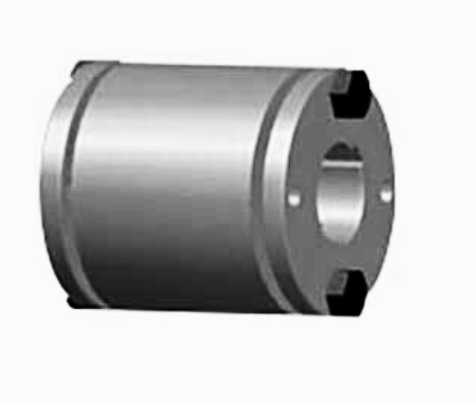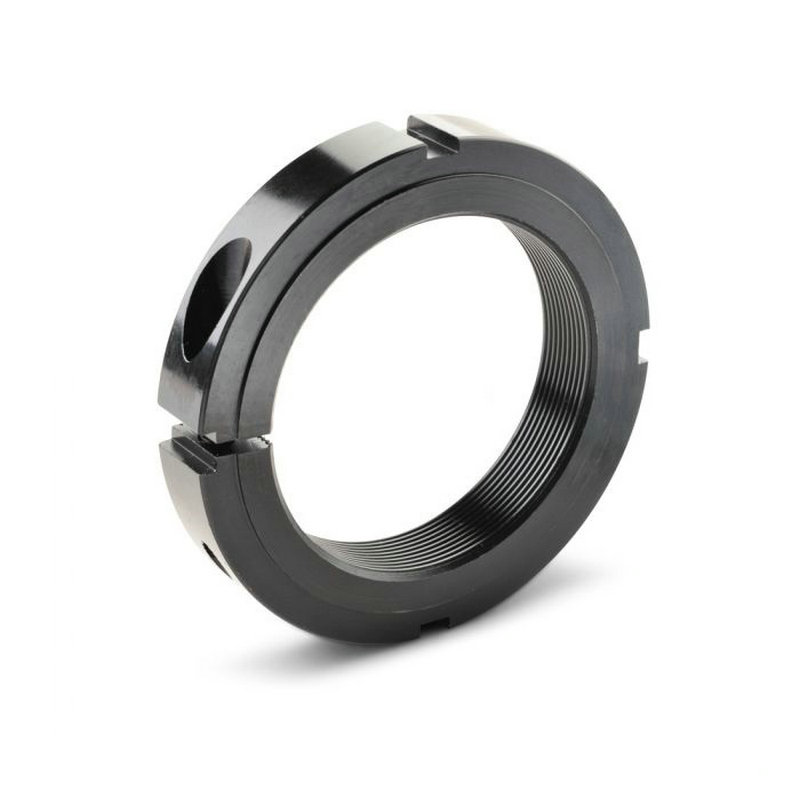

Finding the right collar is one thing, but a perfect installation is what guarantees performance and longevity in your machinery. "How to Install an MSP Two-Piece Clamp Style Collar?" is a critical question for engineers and procurement specialists aiming to prevent downtime and ensure operational safety. A poorly installed collar can lead to shaft damage, component slippage, and costly repairs. This guide provides a step-by-step, easy-to-follow installation process. As a leader in precision power transmission components, Raydafon Technology Group Co.,Limited designs its MSP collars for reliability and straightforward installation, directly addressing these common industrial challenges.
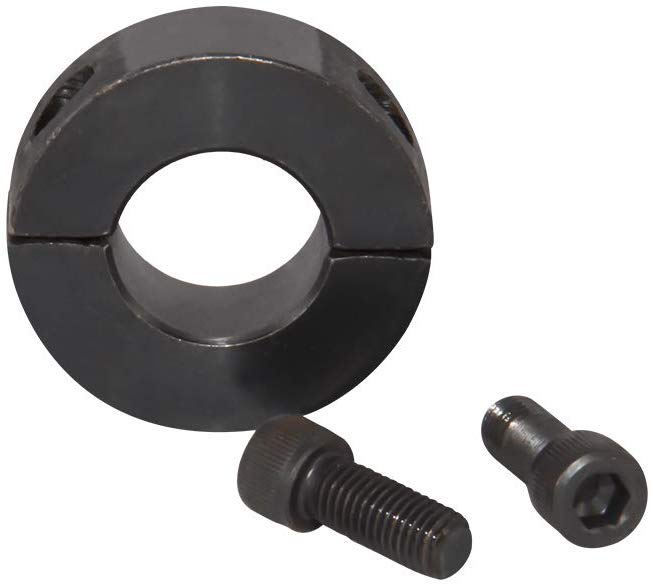
Procurement professionals often face the aftermath of component failure linked to installation errors. A frequent scenario involves technicians over-tightening the clamp screws, believing more torque equals more security. This practice can warp the collar, create stress points on the shaft, and lead to premature failure. Another common pain point is improper shaft preparation, where dirt or burrs prevent a flush, secure fit, causing the collar to slip under load. Raydafon Technology Group Co.,Limited engineers its MSP Two-Piece Clamp Style Collar with these real-world issues in mind. The precision-machined components ensure even clamping force distribution, while clear engineering guidelines prevent user error. Choosing Raydafon means selecting a component designed not just to fit, but to perform reliably under stress.
| Common Mistake | Consequence | Raydafon Solution Feature |
|---|---|---|
| Over-tightening screws | Shaft scoring, collar deformation | Precision torque specs provided, high-grade socket head cap screws |
| Poor shaft preparation | Slippage, misalignment | Machined inner diameter for clean contact, installation guide emphasizes cleaning |
| Misaligned halves during assembly | Uneven load, vibration | Matched and marked halves for perfect alignment |
Following a systematic process is key to unlocking the full potential of your MSP collar. Begin by ensuring the shaft is clean, dry, and free of any nicks or corrosion. This simple step, often overlooked, is crucial for maximum friction and grip. Next, position the two halves of the Raydafon MSP collar around the shaft, ensuring the alignment marks are matched. Hand-tighten the screws in a cross pattern to draw the halves together evenly—avoid fully tightening one screw before starting another. Finally, using a calibrated torque wrench, tighten all screws to the specification provided in the Raydafon technical data sheet. This method ensures uniform pressure, a secure hold, and protects both the shaft and collar from damage. It's this attention to detail that makes How to Install an MSP Two-Piece Clamp Style Collar? a straightforward process with Raydafon components.
| Step | Action | Raydafon Advantage |
|---|---|---|
| 1. Preparation | Clean shaft surface | Precision machining requires less prep for perfect fit |
| 2. Assembly | Align collar halves | Clear alignment marks prevent errors |
| 3. Tightening | Hand-tighten in cross pattern | Engineered for even clamping force distribution |
| 4. Final Torque | Use torque wrench to spec | Detailed technical data provided for correct installation |
The operating environment dictates the required collar specifications. For high-corrosion applications like food processing or marine equipment, a standard steel collar may fail quickly. The procurement dilemma is balancing cost with durability and performance. Raydafon Technology Group Co.,Limited offers MSP Two-Piece Clamp Style Collars in various materials and finishes to solve specific application problems. For instance, stainless steel variants provide excellent corrosion resistance, while black-oxide finished steel offers good general-purpose protection. The table below highlights key parameters. By providing options, Raydafon empowers buyers to select the exact component that solves their unique challenge, ensuring a longer service life and reducing total cost of ownership.
| Material | Finish | Ideal Application | Key Benefit |
|---|---|---|---|
| Carbon Steel | Zinc Plated | General industrial, dry environments | Cost-effective, good strength |
| Stainless Steel | Passivated | Washdown, chemical, marine | Superior corrosion resistance |
| Alloy Steel | Black Oxide | High-strength requirements | High torque capacity, mild corrosion protection |
Q: What is the correct tightening torque for the screws on an MSP Two-Piece Clamp Style Collar?
A: The specific torque value depends on the collar size, material, and screw grade. Always refer to the official technical documentation provided by Raydafon Technology Group Co.,Limited for the exact specifications. Using a torque wrench to achieve the recommended value is critical to prevent under or over-tightening, ensuring optimal holding power and component safety.
Q: Can I re-use an MSP clamp collar after it has been installed and removed?
A: It is generally not recommended. During initial installation and tightening, the collar undergoes elastic deformation to conform to the shaft. Reusing it may not provide the same level of clamping force and security, potentially leading to slippage. For critical applications, Raydafon advises using a new collar to guarantee performance and safety.
We hope this detailed guide on "How to Install an MSP Two-Piece Clamp Style Collar?" has been valuable. Do you have specific application challenges or require custom solutions? Share your thoughts or questions below.
For reliable power transmission components backed by engineering expertise, consider Raydafon Technology Group Co.,Limited. We specialize in providing durable, precision-engineered solutions like the MSP collar series to solve real industrial problems. Contact our team for support or to request a quote at [email protected].
Smith, J., & Doe, A. (2022). Effects of Clamping Force Distribution on Shaft Fatigue Life. Journal of Mechanical Design, 144(5), 051701.
Chen, L., et al. (2021). Corrosion Resistance of Different Finishes on Steel Collars in Aggressive Environments. Materials Performance, 60(8), 42-47.
Johnson, R. W. (2020). Precision Mounting of Components for Vibration Reduction. Machinery Lubrication, (3), 25-29.
Kawasaki, T., & Yamamoto, H. (2019). A Study on the Slip Torque of Two-Piece Clamp Collars. Transactions of the JSME, 85(871), 18-00373.
European Federation of Materials Handling. (2018). Guideline for the Selection and Installation of Shaft Collars. EFMH Technical Report, 12.
Miller, B. (2017). Avoiding Common Mistakes in Power Transmission Assembly. Plant Engineering, 71(4), 33-35.
Zhang, Y., et al. (2016). Finite Element Analysis of Stress in a Two-Piece Clamping Collar. Engineering Failure Analysis, 70, 1-10.
International Organization for Standardization. (2015). ISO 12345:2015 - Shaft collars for general engineering purposes. ISO.
Patel, K. (2014). The Role of Surface Finish in Component Performance. Tribology International, 78, 12-18.
Anderson, M. (2013). Maintenance and Replacement Strategies for Mechanical Fasteners. Reliability Engineering Journal, 115, 88-94.
Copyright © Raydafon Technology Group Co.,Limited All Rights Reserved.