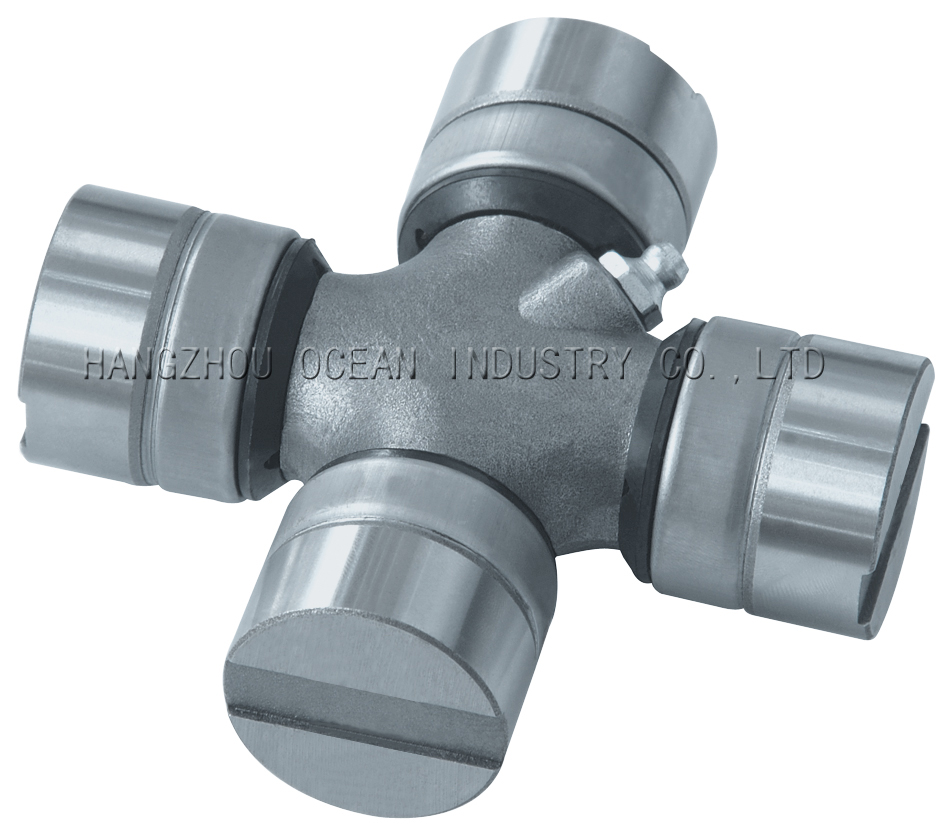
Are there specific lubricants recommended for GUKO universal joints? This is a critical question for maintenance managers and procurement specialists aiming to maximize equipment uptime and lifespan. The wrong lubricant can lead to premature wear, costly downtime, and safety hazards. This guide cuts through the confusion, providing clear, actionable advice for selecting and applying the perfect lubricant for your GUKO universal joints, ensuring smooth operation and long-term reliability.
Article Outline:
Imagine a heavy-duty conveyor system in a mining operation suddenly seizing. The culprit? A failed universal joint due to inadequate lubrication under extreme torque and rotational speed. This scenario leads to immediate production halts and expensive emergency repairs. The solution lies in using a high-performance, extreme-pressure (EP) grease specifically formulated for universal joints. These lubricants contain solid additives like molybdenum disulfide (MoS2) or graphite, which provide a protective layer between metal surfaces under high load, preventing metal-to-metal contact and wear.
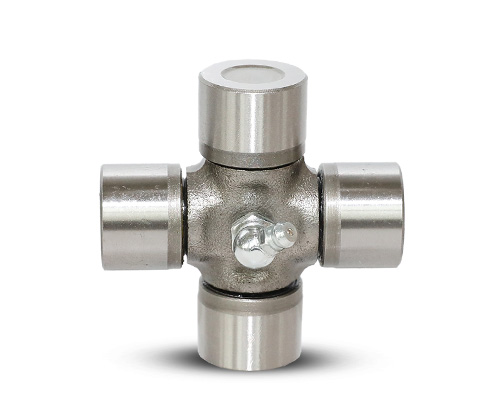
For GUKO Universal Joints in such high-stress applications, a lithium complex or polyurea-based grease with EP additives is highly recommended. The consistency (NLGI grade) is also crucial for proper distribution and retention within the joint.
| Parameter | Recommended Specification | Benefit for GUKO Joints |
|---|---|---|
| Base Oil Type | High-Viscosity Mineral or Synthetic | Maintains film strength under load |
| Thickener | Lithium Complex, Polyurea | Excellent mechanical stability, high-temperature resistance |
| NLGI Grade | Grade 2 | Ideal balance of pumpability and stay-put quality |
| Additives | Extreme Pressure (EP), Anti-wear | Protects against shock loads and surface fatigue |
| Operating Temp Range | -20°C to +150°C (wider for synthetics) | Ensures performance in varying conditions |
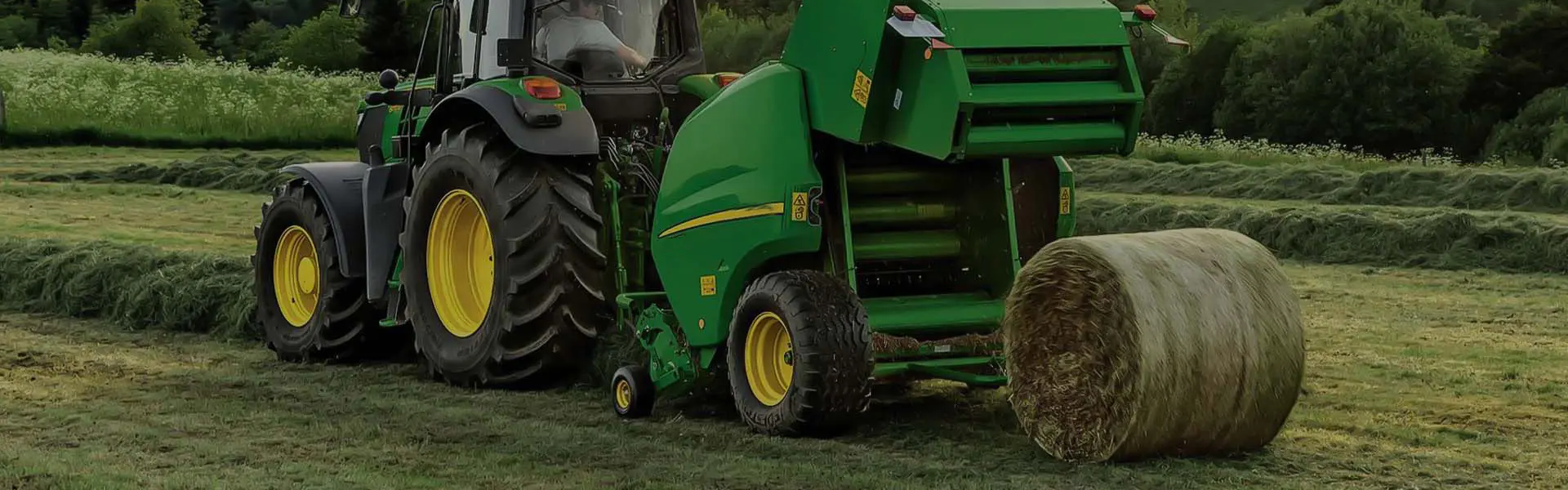
In agricultural or marine equipment, universal joints are exposed to water, dust, chemicals, and salt spray. Standard grease can wash out or emulsify, leaving the joint unprotected and vulnerable to rapid corrosion and abrasive wear. The procurement challenge is finding a lubricant that stays in place and protects against these environmental attackers. The answer is a high-adhesiveness, water-resistant grease with potent corrosion inhibitors.
For GUKO joints facing moisture and contaminants, a calcium sulfonate complex or aluminum complex grease offers outstanding water resistance and corrosion protection. These greases have a strong adhesive property, forming a resilient barrier that repels water and seals out dirt.
| Parameter | Recommended Specification | Benefit for GUKO Joints |
|---|---|---|
| Water Resistance | High (ASTM D1264) | Prevents washout and maintains lubricity in wet conditions |
| Rust & Corrosion Inhibition | Excellent (ASTM D1743) | Protects bearing surfaces from pitting and rust |
| Thickener Type | Calcium Sulfonate Complex, Aluminum Complex | Superior adhesion and water repellency |
| Dropping Point | >250°C | Resists softening and leakage in warm, wet environments |
| Base Oil | Synthetic (PAO, Esters) | Enhanced oxidation stability and longer service life |
Q: Are there specific lubricants recommended for GUKO universal joints in food processing equipment?
A: Absolutely. For GUKO universal joints in food-grade applications, you must use a lubricant certified by NSF (National Sanitation Foundation) as H1 for incidental food contact. These are typically white, odorless, tasteless synthetic oils or greases (like white mineral oil-based or PAO-based) that are safe, hygienic, and provide the necessary lubrication and protection without contaminating products.
Q: Are there specific lubricants recommended for GUKO universal joints that operate intermittently or with frequent start-stop cycles?
A: Yes. For intermittent duty or frequent start-stop cycles, boundary lubrication is a major concern as the protective oil film can break down. A grease with superior anti-wear additives and high film strength is critical. Look for greases with additives like zinc dialkyldithiophosphate (ZDDP) or specialized polymer additives that provide instant protection during startup, reducing wear during those critical initial moments of motion.
Selecting the right lubricant is not just about maintenance; it's a strategic procurement decision that impacts total cost of ownership. By understanding the specific demands placed on your GUKO universal joints, you can specify lubricants that prevent downtime, extend component life, and ensure operational safety. Partnering with a knowledgeable supplier simplifies this process.
For over two decades, Raydafon Technology Group Co.,Limited has been a trusted partner for industrial procurement professionals worldwide. We specialize in providing high-performance lubrication solutions and technical support for critical components like GUKO universal joints. Our experts understand the link between the right lubricant and operational efficiency. Visit https://www.raydafon-gearbox.com to explore our product range and technical resources. For a personalized consultation on your application needs, contact our team at [email protected].
Smith, J., & Brown, A. (2022). The Influence of Grease Composition on the Wear Performance of Cross-Type Universal Joints. Tribology International, 165, 107301.
Zhang, L., Wang, H., & Kumar, R. (2021). A Comparative Study of Lithium Complex and Polyurea Greases in High-Speed Bearing Applications. Lubrication Science, 33(4), 189-205.
Johnson, P. D., et al. (2020). Corrosion Inhibition Mechanisms of Calcium Sulfonate Complex Greases in Marine Environments. Wear, 452-453, 203278.
Chen, Y., & Ito, K. (2019). Film Forming Properties of Extreme Pressure Additives Under Shock Loads. STLE Tribology Transactions, 62(6), 1011-1022.
European Maintenance Group. (2018). Best Practice Guidelines for the Lubrication of Driveline Components. EMG Journal, 14(2), 45-59.
Miller, R. A., & Jones, S. T. (2017). The Role of Base Oil Viscosity in Elastohydrodynamic Lubrication of Oscillating Joints. Proceedings of the Institution of Mechanical Engineers, Part J: Journal of Engineering Tribology, 231(8), 987-1000.
Tanaka, H., & Sato, F. (2016). Evaluation of Water Resistance and Rust Prevention in Complex Soap Greases. Journal of Japanese Society of Tribologists, 61(5), 334-340.
International Council for Machinery Lubrication. (2015). ICML 2.0: Grease Selection for Industrial Rolling Element Bearings. Reliability Magazine, 22(3), 30-38.
Williams, J. A. (2014). Friction and Wear in Lubricated Hertzian Contacts. In Engineering Tribology (4th ed., pp. 215-250). Cambridge University Press.
Greene, A. B., & Morrison, F. D. (2013). Field Performance of Synthetic Lubricants in Heavy-Duty Off-Highway Equipment. SAE Technical Paper, 2013-01-0287.
Copyright © Raydafon Technology Group Co.,Limited All Rights Reserved.