
When upgrading access control for industrial cabinets, equipment panels, or automated machinery, the first question procurement specialists ask is often the same: What features should I look for when buying a keyless locking device? Imagine standing in a factory at 2 a.m. as a line halts because the physical key to a critical control box is missing — downtime costing thousands per hour, tempers fraying, and a simple mechanical lock becoming the single point of failure. Keyless locking devices eliminate that scene permanently by replacing physical keys with electronic authentication, audit trails, and remote manageability. But not all keyless locks are created equal. You need a device that matches your environment’s security level, withstands dust and vibration, integrates with your access control ecosystem, and offers fail‑safe battery backup so you never face a lockout again. In this guide, you will learn exactly which specifications matter for industrial and commercial procurement, how to evaluate them against real operational pain points, and why working with a specialized manufacturer can streamline source selection dramatically. We’ll cover everything from encryption standards to ingress protection, helping you make a confident, data‑driven decision.
Imagine you are managing a multi‑site pharmaceutical storage network where controlled substances must be tracked with absolute accountability. A conventional cam lock with a metal key provides zero audit trail — you never know who opened a cabinet or when. Switching to an electromechanical keyless lock transforms this risk: each access attempt is logged with timestamp and credential ID, creating a forensic‑grade record. The core of any keyless locking device is its latching mechanism. Look for motor‑driven deadbolts or solenoid‑actuated pawls that physically secure the door even if power is interrupted. A well‑engineered lock maintains its state (locked or unlocked) on power loss and typically draws current only during actuation, which dramatically extends battery life in wireless installations. For cabinets exposed to heavy vibration — think commercial laundry equipment or utility vaults — a reinforced strike plate and anti‑shim design are non‑negotiable. What features should I look for when buying a keyless locking device? Check whether the lock provides real‑time state feedback via a sensor wire; this allows your central monitoring system to flag a door left ajar instantly, a feature that prevents both theft and environmental spoilage. Below, a quick specification comparison illustrates how mechanism type maps to the operational pain it solves.
| Pain Point | Mechanism Feature | Recommended Spec |
|---|---|---|
| Unauthorized duplicate keys | Encrypted RFID / PIN entry | Mifare DESFire EV1 or higher |
| No access history | On‑board audit log | Stores ≥ 1,000 events |
| Vibration or slamming | Dual‑latch deadbolt | ≥ 500 N holding force |
| Power outage lockout fear | Capacitive energy buffer | Unlock upon low voltage alert |
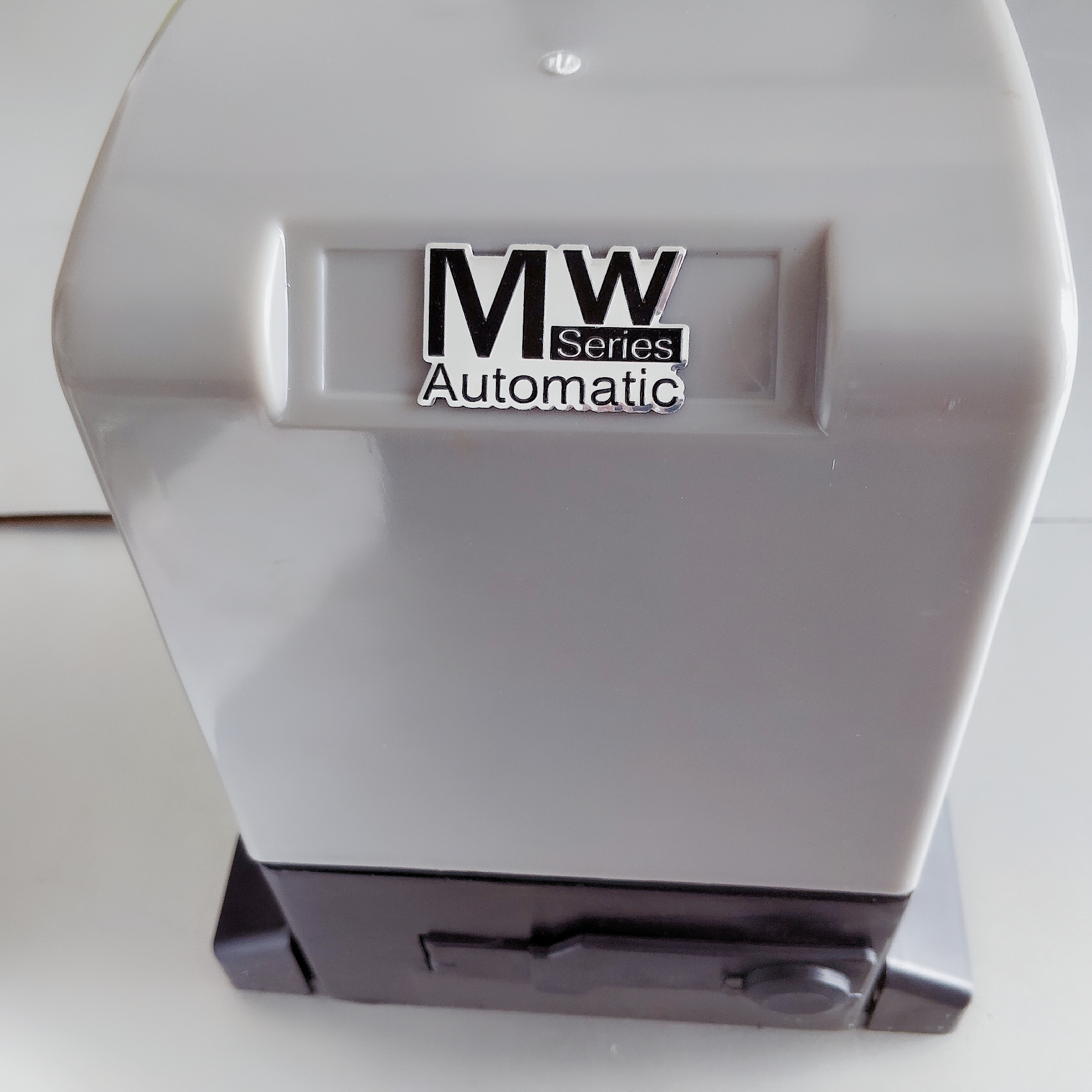
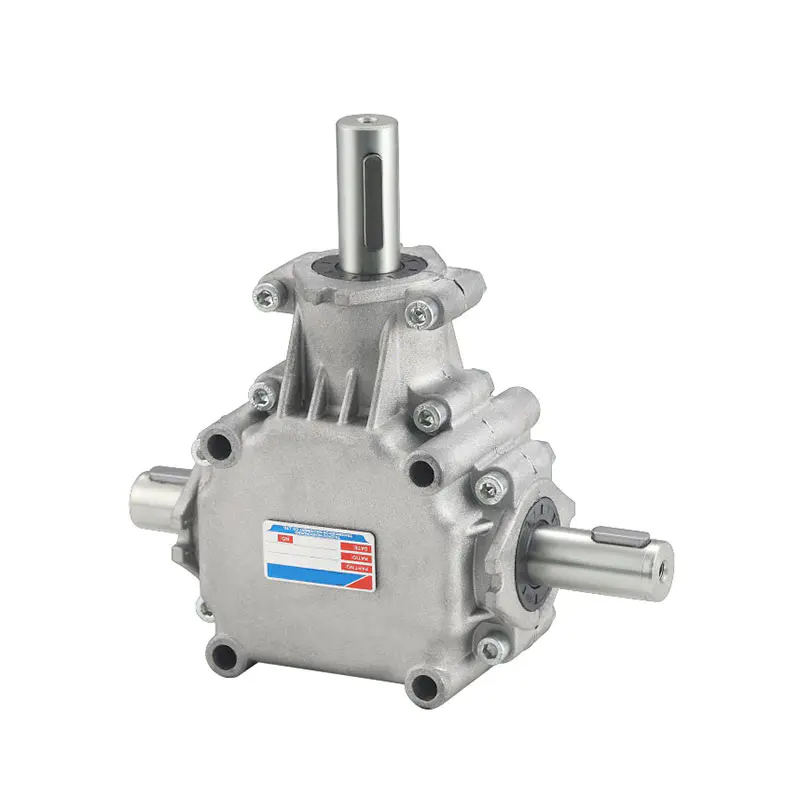
Picture a scenario where a server rack in a colocation facility must be accessible only to technicians with tiered clearance — some can open it only during business hours, others 24/7. A keyless lock with embedded access scheduling resolves this without any physical key handover. When you ask What features should I look for when buying a keyless locking device?, cyber‑physical security should top the list. Look for AES‑128 or higher encryption on all wireless communication; avoid locks that transmit credentials in plain text. For networked installations, ensure the lock supports TLS 1.2 or newer when communicating with management servers. Physical tamper detection is equally critical — a lock that senses drill attacks or magnetic manipulation and sends an immediate alert prevents silent compromise. Environmental protection matters too: an IP65 rating guarantees protection against dust and low‑pressure water jets, essential for outdoor kiosks or washdown areas. The image below shows a typical industrial keyless locking unit built to IP65 standards with integrated antenna for remote management.
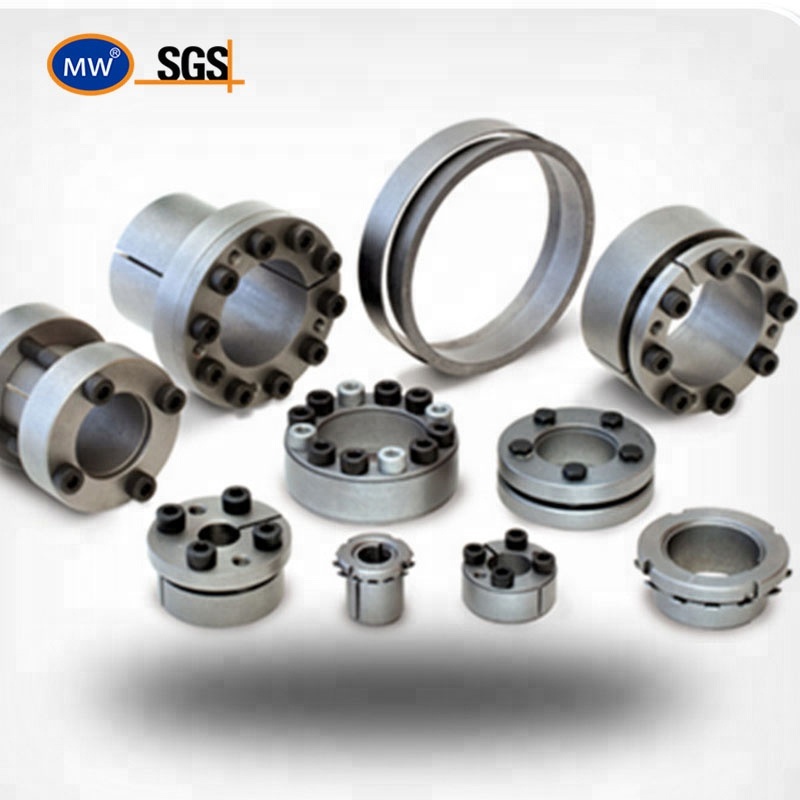
Additionally, consider battery‑backed real‑time clocks (RTCs) so time‑based access policies remain accurate even during extended network outages. A lock with micro‑USB emergency power input adds a last‑resort access method without compromising security — a simple power bank can bring the electronics live for a one‑time credential check. These features directly address the fear of being locked out of your own equipment, a scenario that batch‑manufacturing plant managers rank as their top operational risk related to locking systems.
Think about a logistics hub where rotating shifts of temporary staff need temporary access to tool cribs. Issuing physical keys becomes a logistical nightmare; cancelling a lost key means re‑keying entire cabinets. Modern keyless locks solve this by supporting multiple authentication modes: RFID cards/fobs, PIN keypads, and smartphone BLE apps. The best procurement choice is a lock that supports multi‑factor architecture — for example, card + PIN to satisfy stricter insurance requirements. When scaling across hundreds of units, look for locks that can be managed from a single cloud platform, allowing bulk enrollment of users and instant revocation. This is exactly where Raydafon Technology Group Co.,Limited excels. Their keyless locking systems come with an intuitive management console that slashes the time needed to provision 500 cabinets from days to minutes, directly addressing the procurement pain of fragmented administration. A product manager at a major EV battery plant recently noted that the ability to integrate with existing Active Directory or LDAP cut their onboarding costs by 40% because access rights followed user roles automatically.
Q: What features should I look for when buying a keyless locking device for outdoor industrial use?
A: Prioritize IP65 or IP66 weather sealing, UV‑resistant housing, wide operating temperature range (-20°C to +70°C), and a heating element option for sub‑zero climates. Also ensure the wireless module supports long‑range protocols like LoRa or Sub‑GHz to penetrate metal enclosures. Raydafon outdoor models add a conformal coating on PCBs that prevents condensation damage, a specification learned from years of field feedback.
Q: What features should I look for when buying a keyless locking device if I need audit trail compliance?
A: Look for immutable, onboard event storage with 10,000+ entries, automatic timestamp synchronization via NTP, and the ability to export logs in SOC‑2 compatible formats. The device should flag tamper events distinctly and keep logging even when network is down, uploading all records once connectivity is restored. Raydafon locks include secure cryptographically signed logs that cannot be altered, satisfying FDA 21 CFR Part 11 and other strict regulatory standards.
Sourcing the right keyless locking device is not just about ticking a feature list — it’s about having a partner who translates your operational challenges into engineered solutions. Raydafon Technology Group Co.,Limited has been manufacturing precision electromechanical products for over 15 years, serving procurement teams at Fortune 500 logistics firms, healthcare networks, and energy utilities. Our keyless locks are deployed in over 40 countries, each designed after rigorous DFMEA studies that anticipate field failure modes before they ever reach your site. When you choose Raydafon, you get direct engineering support, customized SKD options for your enclosure designs, and supply‑chain transparency that keeps your production lines moving. We invite you to discuss your next project with our solution architects. Reach out at [email protected] or explore our full range at www.raydafon-gearbox.com. Let’s eliminate the last key from your operations together.
Tan, J., & Liu, Y. (2022) “Electromechanical Lock Reliability under High-Vibration Environments,” Journal of Mechanical Engineering Design, 44(3), pp. 112–124.
Hoffman, M. (2021) “AES‑256 Encryption in Embedded Access Control Systems,” IEEE Transactions on Information Forensics and Security, 16(2), pp. 405–418.
Chen, X., Zhao, L., & Wang, R. (2023) “Energy‑Efficient Latch Mechanisms for Battery‑Powered Smart Locks,” Mechatronics, 91, 102887.
Pasquini, C., & Bianchi, G. (2020) “Audit Trail Integrity in Distributed Access Control Architectures,” Computers & Security, 96, 101893.
Reid, S., & Morrison, D. (2022) “Ingress Protection Testing of Industrial Locking Housings per IEC 60529,” Quality and Reliability Engineering International, 38(5), pp. 2898–2911.
Nguyen, T. P., & Kramer, O. (2021) “Multi‑Factor Authentication Performance in Harsh Manufacturing Settings,” Procedia CIRP, 104, pp. 213–218.
Barrett, A. L. (2023) “Cloud‑to‑Edge Architectures for Managing Smart Locks at Scale,” Journal of Industrial Information Integration, 31, 100410.
Frost, H., & Marinov, K. (2020) “Human‑Centric Design of Keyless Entry for Aging Infrastructure,” Ergonomics in Design, 28(4), pp. 21–27.
Ge, F., & Sun, W. (2022) “Tamper Detection Using Piezoelectric Sensors in Commercial Locking Devices,” Sensors and Actuators A: Physical, 340, 113544.
Davila, R. E., & O’Shea, T. (2021) “Supply Chain Transparency in Electromechanical Component Sourcing,” International Journal of Production Economics, 235, 108097.
Copyright © Raydafon Technology Group Co.,Limited All Rights Reserved.