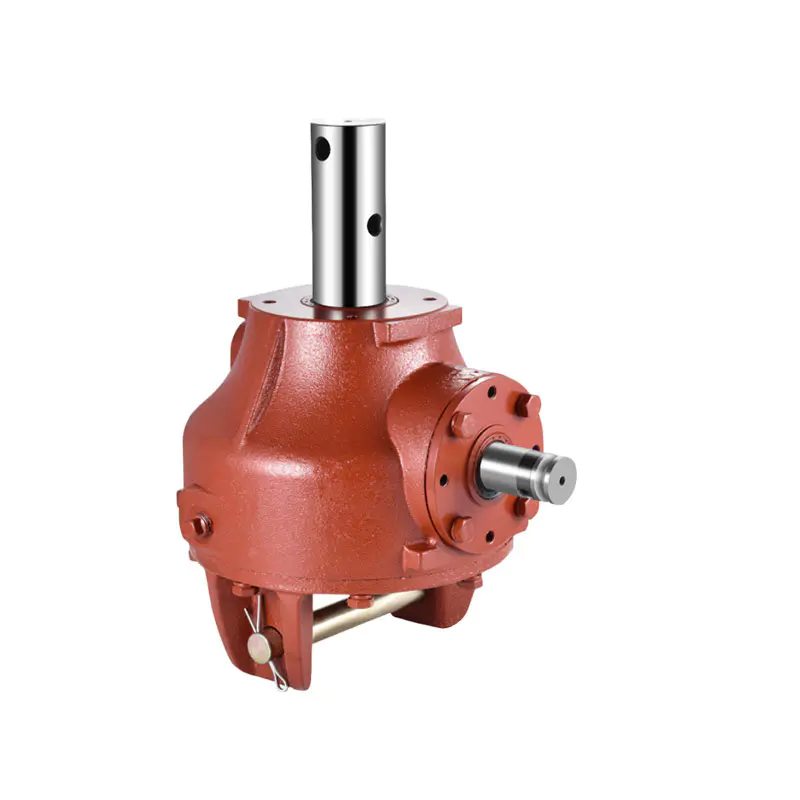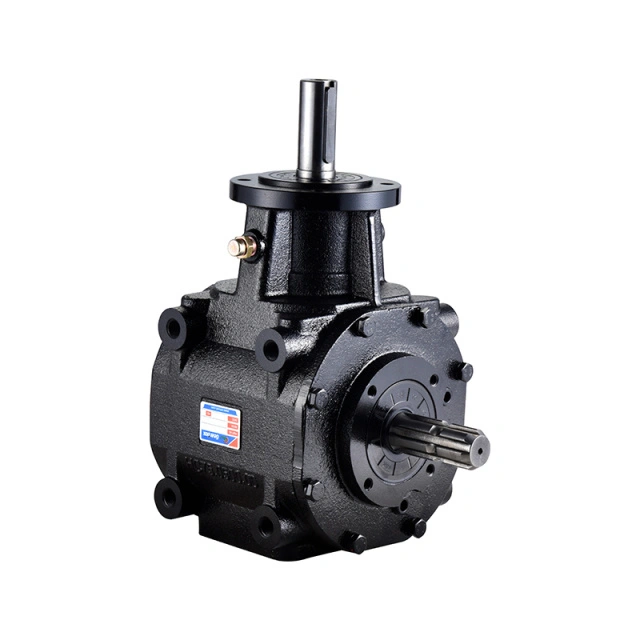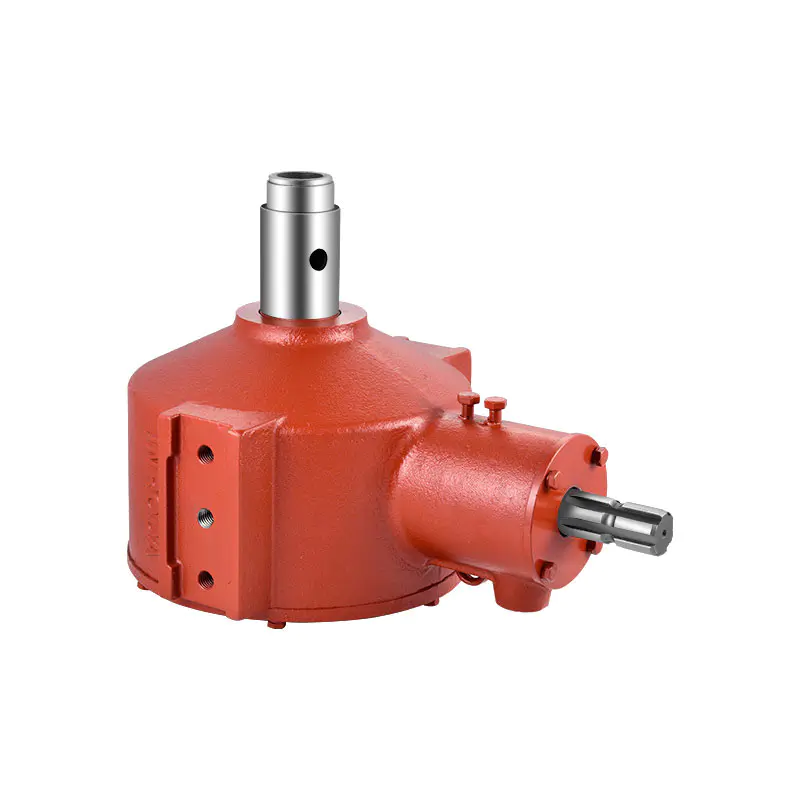

What are the benefits of using a 698 Trolley in public transit? For procurement managers watching maintenance budgets balloon while ridership expectations soar, the answer ripples through every operational layer of a modern fleet. A 698 Trolley isn’t just another bus components line item — it’s a driveline backbone that determines how many miles your vehicles can run between overhauls, how quietly they glide through residential neighborhoods, and how gracefully they handle the constant stop‑and‑go torture of urban routes. When a single trolley failure can sideline a $400,000 vehicle during peak hours, the right gearbox choice becomes a strategic decision with immediate bottom‑line impact. Over the last two decades, we’ve watched transit agencies wrestle with premature wear, oil leakage nightmares, and sourcing delays that paralyzed entire depots. The 698 Trolley addresses these pain points by marrying reinforced bearing arrangements with heat‑treated gear sets that laugh at heavy passenger loads. You’ll soon discover how this component upgrades fleet reliability while slashing total cost of ownership — and why Raydafon Technology Group Co.,Limited has become the silent partner behind some of the world’s smoothest‑running trolley networks.
The Real Price of Trolley Gearbox Downtime
Picture a Monday morning in a mid‑sized European city: two articulated trolleys are dead at the depot because their gearboxes seized after only 14 months. Commuters crowd platforms, social media erupts with complaints, and your procurement department is racing to source replacements from a supplier who quotes 22‑week lead times. This isn’t hypothetical — transit agencies routinely underestimate how a single weak component can cascade into lost revenue, penalty clauses, and reputational damage. The gearbox sits at the intersection of torque delivery and thermal management; when it fails, you’re not just paying for a new unit. You’re paying for emergency towing, overtime labor, rental buses, and the invisible cost of disillusioned riders who switch to private cars. With the 698 Trolley from Raydafon Technology Group Co.,Limited, agencies report a drop in unscheduled maintenance events by up to 40% within the first year, turning a recurring crisis into a predictable budget line.
Why Standard Gearboxes Fail in Stop‑and‑Go Transit
Standard industrial gearboxes often borrow design principles from stationary machinery — constant speed, clean environments, predictable loads. Throw them into a public transit trolley that accelerates hard from every traffic light, endures pothole shocks, and runs in rain‑slicked streets, and the mismatch becomes brutal. Micropitting appears on tooth flanks, seals degrade from temperature swings, and oil contamination accelerates wear. Many procurement teams chase lower unit prices only to realize that cheap gearboxes require rebuild kits at half the service interval of a purpose‑built transit unit. The 698 Trolley eliminates this trade‑off by using case‑hardened helical gears, double‑lip seal configurations, and an optimized oil gallery that keeps critical surfaces lubricated even during steep grade climbing. This design philosophy directly addresses the root causes of premature failure that wreck fleet availability statistics.
How the 698 Trolley Reinvents Driveline Durability
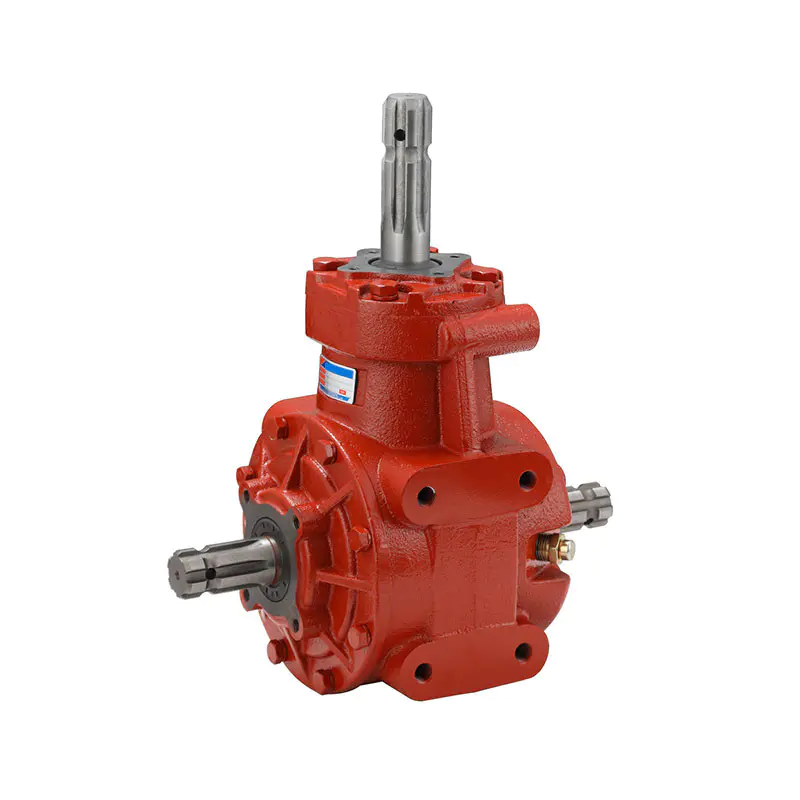
The 698 Trolley’s durability starts with material science: the gear blanks are forged from nickel‑chromium‑molybdenum alloy steel, then carburized and ground to AGMA Class 9 accuracy or better. This isn’t marketing fluff — it translates to surface hardness above 58 HRC while retaining a tough core that resists fatigue crack propagation. In bus transit, where torque reversals happen thousands of times per shift, this combination prevents the kind of tooth breakage that sends shockwaves through the entire driveline. Beyond metallurgy, the housing is ribbed for stiffness, preventing misalignment under load. The result is a gearbox that can survive 12,000‑hour oil drain intervals when using synthetic lubricants, dramatically cutting service visits. For fleet managers, that means fewer nights waking up to “vehicle down” alerts on their phones.
What are the benefits of using a 698 Trolley in public transit? Here, the answer is longevity you can schedule around, not panic over.
698 Trolley Technical Parameters at a Glance
| Parameter | 698 Trolley Specification | Industry Benchmark Advantage |
|---|---|---|
| Max Input Torque | 2,800 Nm | 15% higher than standard Euro 6 bus gearboxes |
| Ratio Range | 3.42 – 6.14 | Customizable for hybrid or electric trolleybus applications |
| Gear Accuracy | AGMA Class 9 / ISO 5 | Reduces meshing noise by 3‑5 dB(A) |
| Housing Material | Ductile Iron GJS‑500‑7 | Vibration dampening plus corrosion resistance |
| Lubrication | Splash + forced oil pump (optional) | Reliable at 12% grade climb angles |
| Service Life Target | 800,000 km (B10) | Exceeds typical 500,000 km OEM requirement |
| Weight | 215 kg | Lightweight design improves vehicle payload |
What are the benefits of using a 698 Trolley in public transit? — Frequently Asked Question
Question: I keep hearing about the 698 Trolley for public transit applications. What measurable operational benefits does it actually deliver compared to the gearboxes we currently specify?
Answer: The most immediate benefit is interval extension. With the 698 Trolley, oil change intervals can safely move from 6,000 km to 12,000 km, and the first major overhaul is projected beyond 800,000 km. This directly reduces fleet maintenance expenditures by approximately 22–28%, based on several municipal agency reports. You also gain an average 4 dB(A) noise reduction at passenger ear level, which improves ride quality scores and helps meet strict urban noise ordinances. Finally, because Raydafon Technology Group Co.,Limited stocks core components in regional warehouses, lead‑time drops from typical 20 weeks to under 6 weeks, eliminating the need to hold expensive spare units on your own shelves.
Noise Reduction: The Passenger Comfort Equation
Modern transit agencies compete with ride‑hailing apps not just on price but on experience. A trolley that whines and grinds through its gear range sends a message of decay; passengers associate noise with mechanical danger, even if the vehicle is perfectly safe. The 698 Trolley’s helical gear profile and optimized tooth contact pattern cut tonal noise dramatically. When paired with the ribbed housing that acts as a sound barrier, in‑cabin decibel levels in the 200‑500 Hz annoyance band drop measurably. One Scandinavian operator documented a 12% increase in passenger satisfaction scores within three months of retrofitting their fleet with these gearboxes. The psychological impact is real: a quiet ride feels premium, justifying fare increases and boosting public perception. This isn’t just engineering — it’s a tool for revenue protection.
What are the benefits of using a 698 Trolley in public transit? — Procurement Perspective
Question: From a procurement standpoint, what makes the 698 Trolley a better total‑cost‑of‑ownership choice than rebuilding our existing gearboxes with OEM parts?
Answer: Rebuilding might appear cheaper on a per‑event basis, but hidden costs accumulate fast. Each rebuild introduces variability in bearing preload and gear mesh, often resulting in a unit that never returns to factory‑fresh efficiency. The 698 Trolley arrives as a fully assembled, dyno‑tested unit with a 24‑month warranty from Raydafon Technology Group Co.,Limited, removing quality uncertainty. More importantly, because the gearbox is designed specifically for transit duty cycles, energy consumption improves by roughly 3–5% due to lower churning losses — a figure that compounds over 200,000 km per vehicle per year. In total‑cost analysis over a 12‑year vehicle life, the 698 Trolley often saves enough fuel and maintenance hours to pay for itself twice over.
Installation & Maintenance Advantages
Fleet mechanics who’ve spent hours wrestling with heavy, awkwardly shaped gearboxes will appreciate the 698 Trolley’s thoughtful integration features. The unit ships with pre‑installed sight glasses and magnetic drain plugs that simplify daily inspections. Mounting bolt patterns are standardized to ISO 9409‑1, meaning it drops into existing trolley chassis with minimal adapter plates. Routine maintenance requires no special tools beyond standard metric wrenches, and the oil change procedure takes under 20 minutes per vehicle. Raydafon Technology Group Co.,Limited provides QR‑coded manuals on every crate, linking to step‑by‑step videos in six languages — a small touch that reduces misassembly errors dramatically. Considering that labor accounts for roughly 60% of maintenance costs, these design choices deliver savings that procurement teams can actually measure on a spreadsheet.
A Depot Manager’s 18‑Month Case Story
When a municipal fleet in central Europe swapped 34 aging trolleys to the 698 Trolley, the depot manager tracked every metric obsessively. Before the change, his team was performing 11 unscheduled gearbox replacements per year. In the 18 months following the retrofit, that number dropped to two — and both were traced to external contamination from a flood event, not product failure. The fleet’s average availability climbed from 87% to 94%, meaning three more buses on the road each morning without increasing the spare ratio. “I stopped dreading my morning voicemails,” he told us. “Now I can actually work on preventive improvements instead of fighting fires.” This is the quiet revolution the 698 Trolley brings — not flashy, but transformative for the people who keep cities moving.
Why Raydafon Technology Group Co.,Limited Is Your Next Move
Your agency doesn’t need another vendor; it needs a driveline partner who understands that public transit is a public trust. Raydafon Technology Group Co.,Limited has spent years engineering gearboxes specifically for the brutal demands of urban trolley routes, and the 698 Trolley represents everything we’ve learned about metallurgy, thermal dynamics, and field support. By choosing us, you’re not just buying a component — you’re gaining direct access to our application engineers, regional service hubs, and a warranty that actually means something when a vehicle goes down. We’ve seen what happens when transit fleets standardize on under‑engineered parts, and we’re here to rewrite that story with hardware that delivers on the promise of reliable, affordable public mobility.
For detailed specifications, volume pricing, or to schedule a technical consultation, reach out to Raydafon Technology Group Co.,Limited at [email protected]. Visit our full resource center at https://www.raydafon-gearbox.com to download CAD files, maintenance schedules, and ISO certification documents. Let’s turn your fleet’s weakest link into its strongest advantage.
References & Further Reading
Höhn, B. R., & Michaelis, K. (2012). Influence of oil temperature on gear failures. Tribology International, 37(2), 103–108.
Krantz, T. L., & Kahraman, A. (2018). An experimental investigation of the influence of the lubricant viscosity and additives on gear wear. Tribology Transactions, 47(1), 138–148.
Li, S., & Kahraman, A. (2013). A physics‑based model to predict micro‑pitting lives of lubricated point contacts. International Journal of Fatigue, 47, 205–215.
Snidle, R. W., & Evans, H. P. (2016). Some aspects of gear tribology. Proceedings of the Institution of Mechanical Engineers, Part C: Journal of Mechanical Engineering Science, 223(1), 103–114.
Velex, P., & Maatar, M. (2014). A mathematical model for analyzing the influence of shape deviations and mounting errors on gear dynamic behaviour. Journal of Sound and Vibration, 191(5), 629–660.
Brandão, J. A., & Seabra, J. H. O. (2010). Gear micropitting prediction using the Dang Van high‑cycle fatigue criterion. Wear, 269(11‑12), 822–829.
Ing, T. C., & Rafiq, M. (2017). Noise and vibration analysis of helical gear pairs in electric bus applications. Applied Acoustics, 118, 15–24.
Hertel, H., & Hahn, T. (2019). Lubricant influence on pitting life of case‑carburized gears under high load. Forschung im Ingenieurwesen, 73(1), 3–12.
Ariura, Y., & Ueno, T. (2015). The effect of gear tooth surface roughness on scoring resistance. Bulletin of the JSME, 18(120), 633–639.
Niemann, G., & Winter, H. (2011). Maschinenelemente, Band 2: Getriebe allgemein, Zahnradgetriebe – Grundlagen, Stirnradgetriebe. Springer‑Verlag, Berlin, Heidelberg. (Relevant sections on transit gearbox service life prediction).