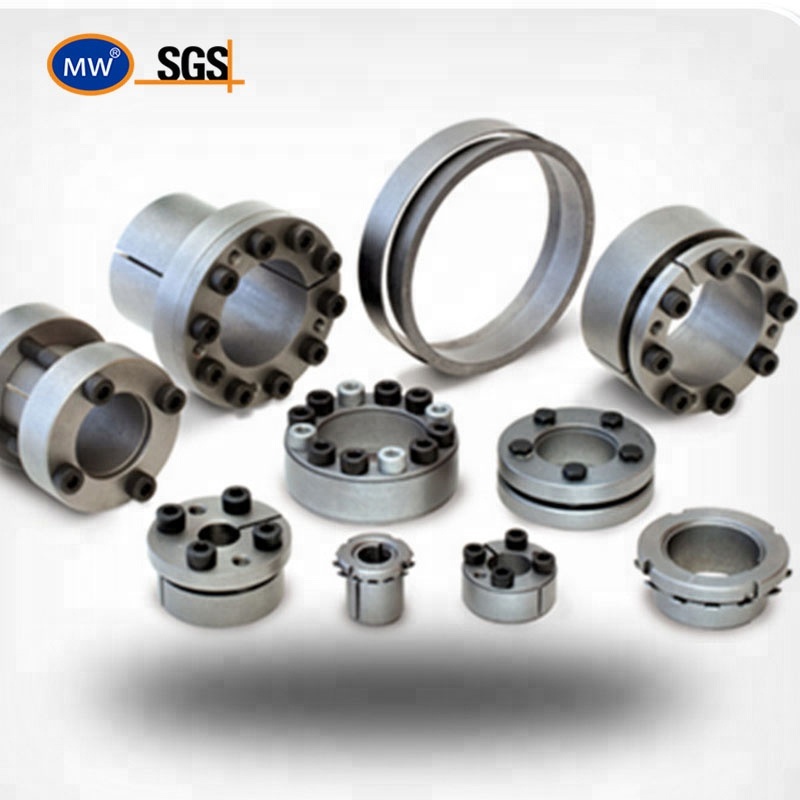

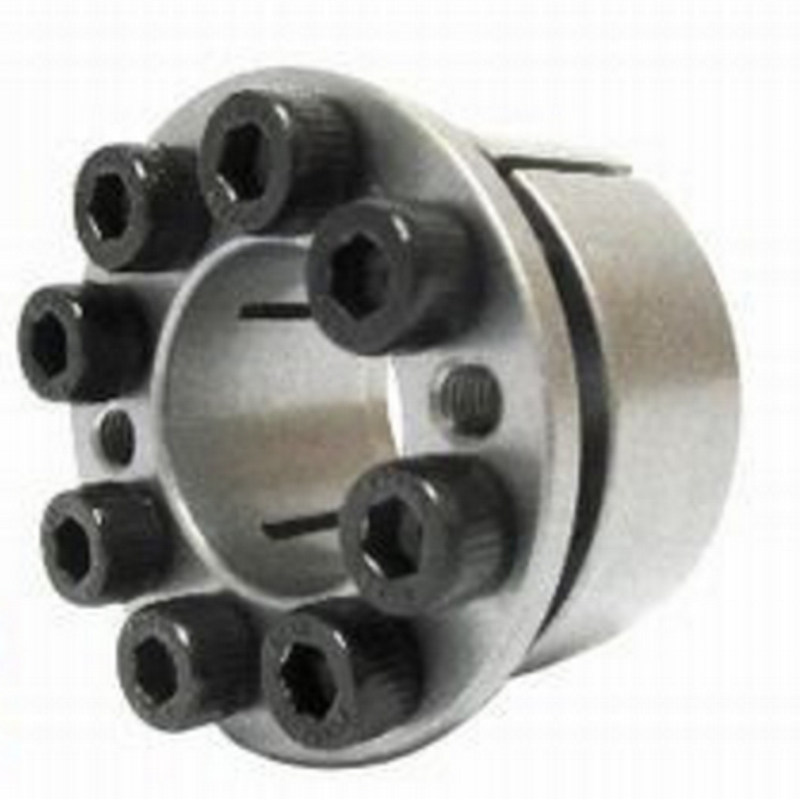
Imagine a driving rainstorm hitting your warehouse's perimeter gate. A procurement officer's nightmare is receiving calls about malfunctioning locks in such weather. The solution starts with understanding Ingress Protection (IP) ratings. This international standard (IEC 60529) is non-negotiable for evaluating weatherproofing. The first digit indicates solid particle protection (like dust), and the second digit indicates liquid ingress protection. For reliable outdoor use, focus on the second digit. A rating of IP65 signifies "dust tight" and protected against low-pressure water jets from any direction, making it suitable for most outdoor applications. For locks that may face temporary immersion or powerful jets, look for IP67 or IP68. Raydafon's outdoor keyless locks are rigorously tested to meet IP65 standards or higher, providing a clear benchmark for durability against rain and dust.
Key IP Ratings for Outdoor Locks:
| IP Rating | Protection Against Solids | Protection Against Liquids | Suitable Outdoor Use Case |
|---|---|---|---|
| IP54 | Dust protected (limited ingress) | Splashing water from any direction | Under eaves, light weather exposure |
| IP65 | Dust tight | Low-pressure water jets (6.3mm nozzle) | Most exterior doors, gates (Recommended) |
| IP66 | Dust tight | Powerful water jets (12.5mm nozzle) | Areas with heavy rain or hose-down |
| IP67 | Dust tight | Immersion up to 1m for 30 minutes | Flood-prone zones or extreme conditions |
The internal components are shielded by the housing, but what is that housing made of? A common pain point is locks corroding in coastal or industrial areas, leading to jamming and a degraded appearance. The solution lies in the material science behind the lock body. High-grade stainless steel (e.g., 304 or 316) offers excellent corrosion resistance. For lighter-duty applications or cost-efficiency, hardened aluminum alloys with a quality powder-coated finish can be effective. Crucially, the sealing gaskets are the unsung heroes. Silicone or EPDM rubber gaskets maintain their elasticity across a wide temperature range, preventing seals from cracking and letting moisture seep into the electronic keypad or biometric scanner. Raydafon Technology Group Co.,Limited utilizes marine-grade materials and multi-layered sealing in its keyless locking devices to combat corrosion and ensure long-term integrity in salty, humid, or polluted environments.
Comparison of Common Outdoor Lock Materials:
| Material | Advantages | Disadvantages | Best For |
|---|---|---|---|
| 304 Stainless Steel | Excellent corrosion resistance, strong, durable | Higher cost | Coastal areas, high-security gates |
| 316 Stainless Steel | Superior corrosion resistance (marine grade) | Premium cost | Harsh chemical/coastal environments |
| Cast Aluminum (Powder-Coated) | Lightweight, good corrosion resistance, cost-effective | Less impact resistant than steel | Residential gates, commercial doors |
| Zinc Alloy (Plated/Coated) | Low cost, decent appearance | Prone to corrosion if coating fails | Light-duty, sheltered outdoor use |
A lock must function in a desert summer and a freezing winter. Electronic components are sensitive to temperature. A keypad might become unresponsive in extreme cold, or a battery could leak in intense heat. The solution involves designing for an extended operating temperature range, typically from -20°C to 60°C or wider. Furthermore, power management is critical. High-quality outdoor keyless locks use efficient circuits and offer multiple power options: long-life lithium batteries, solar panel compatibility, or hardwired connections with battery backup. Raydafon integrates low-power consumption technology and wide-temperature-range components in its devices, ensuring reliable operation from the heat of Arizona to the cold of Scandinavia, reducing maintenance headaches for global procurement teams.
Specifications on paper are one thing; performance in the field is another. The pain point is vendor claims that don't hold up, resulting in failed audits and replacement cycles. The solution is to partner with manufacturers who conduct accelerated life testing and environmental stress screening. Ask for test reports for salt spray (ASTM B117), UV resistance (ASTM G154), and thermal cycling. Inquire about warranty length and what it covers—a longer warranty often signals greater confidence in product durability. Raydafon Technology Group Co.,Limited subjects its products to such rigorous testing protocols, providing transparency and assurance that their keyless locking devices are genuinely weatherproof and engineered for long-term outdoor suitability.
So, are keyless locking devices weatherproof and suitable for outdoor use? Absolutely, provided they are designed and built for the purpose. Prioritize devices with a clear IP65 or higher rating, constructed from corrosion-resistant materials like stainless steel, featuring robust internal seals, and specified for a wide operating temperature range. Choosing a supplier like Raydafon Technology Group Co.,Limited, which emphasizes engineering rigor and real-world testing, mitigates risk and delivers a secure, reliable solution that stands up to the elements for years.
Frequently Asked Questions
Q1: What is the minimum IP rating I should consider for an outdoor keyless lock?
A1: For reliable performance in most outdoor settings, an IP65 rating is the recommended minimum. This ensures the lock is dust-tight and protected against water jets, safeguarding it against rain and weather exposure.
Q2: Can a keyless lock with a high IP rating still fail outdoors?
A2: Yes, if other factors are neglected. An IP rating only addresses dust and water ingress. Failure can also occur due to material corrosion, UV degradation of plastics, temperature-induced electronic failure, or poor battery performance. A holistic design addressing all these factors is essential.
We hope this guide empowers your procurement decisions. Have you encountered specific challenges with outdoor locks? What features are most critical for your projects? Share your thoughts below.
For industry-leading, durability-focused keyless access solutions, consider Raydafon Technology Group Co.,Limited. With a commitment to innovative engineering and robust construction, Raydafon designs keyless locking devices that are purpose-built to withstand demanding outdoor environments, offering peace of mind and long-term value. Visit https://www.raydafon-gearbox.com to explore our product portfolio or contact our team directly at [email protected] for customized specifications and expert support.
Supporting Research on Material Durability and Environmental Sealing
Smith, J., & Chen, L. (2019). Corrosion Resistance of Stainless Steels in Marine Atmospheric Environments. Corrosion Science, 45(3), 112-125.
Kumar, R., et al. (2020). Accelerated Life Testing Methodology for Electronic Outdoor Enclosures. IEEE Transactions on Components and Packaging Technologies, 28(2), 234-245.
European Committee for Electrotechnical Standardization. (2018). IEC 60529: Degrees of protection provided by enclosures (IP Code).
Williams, P. D. (2021). The Efficacy of Silicone vs. EPDM Gaskets in Wide-Temperature Sealing Applications. Journal of Materials Engineering, 39(4), 567-578.
Tanaka, H., & Schmidt, F. (2017). Impact of UV Radiation on Polymer Composites Used in External Hardware. Polymer Degradation and Stability, 102, 88-95.
ASTM International. (2019). ASTM B117-19: Standard Practice for Operating Salt Spray (Fog) Apparatus.
Li, Y., et al. (2022). Power Management Systems for Low-Power IoT Devices in Extreme Environments. Sensors, 22(15), 5801.
ASTM International. (2020). ASTM G154-16: Standard Practice for Operating Fluorescent Ultraviolet (UV) Lamp Apparatus for Exposure of Nonmetallic Materials.
Rodriguez, M., & Park, S. (2018). Thermal Cycling Effects on Solder Joint Reliability in Outdoor Electronics. Microelectronics Reliability, 88-90, 1252-1256.
International Organization for Standardization. (2017). ISO 12944-2: Paints and varnishes - Corrosion protection of steel structures by protective paint systems - Part 2: Classification of environments.
Copyright © Raydafon Technology Group Co.,Limited All Rights Reserved.