Are keyless locking devices more secure than traditional locks? This question, once the domain of security specialists, now sits at the center of every purchasing decision for industrial and commercial environments. Picture a warehouse manager at dawn, juggling a heavy ring of keys, worrying about whose hand last held the master key. Now imagine that same manager using a smartphone or a biometric credential to grant time-limited access to a delivery driver from across the city. The contrast is more than just convenience—it is a fundamental shift in how we define security. While traditional mechanical locks have served well for centuries, their vulnerabilities to picking, bumping, and unauthorized key duplication are well documented. Keyless systems, however, bring encryption, audit trails, and real-time access control into the equation. Yet, no technology is impervious to risk; wireless protocols can be intercepted, and software glitches can leave you locked out. In this guide, we strip away the marketing hype and examine the real-world security differences, helping procurement professionals choose the right solution for their facilities. Dive into our detailed analysis below, and discover how Raydafon Technology Group Co.,Limited addresses these challenges with precision-engineered locking solutions.
Your facility’s security is only as strong as its weakest access point. When evaluating keyless vs. traditional locks, the debate often focuses on cost and convenience, but for the procurement professional, the real concern is risk exposure. A single lost key in a traditional system can force a complete rekeying of an entire building, while a compromised digital code can be revoked instantly without physical intervention. Moreover, the rise of smart factories and IoT-driven logistics demands locking devices that can integrate into a centralized security ecosystem. There is also the factor of compliance: industries handling sensitive goods, such as pharmaceuticals or electronics, require tamper-evident access logs that only electronic locks can provide. Raydafon Technology Group Co.,Limited understands these pressures and designs solutions that bridge the gap between mechanical durability and digital intelligence, ensuring your investment also meets future scalability needs.
2. Understanding Keyless Locking Mechanisms
Keyless locking devices are not a single technology but a family of access control methods. The most common varieties include keypad locks, RFID card or fob systems, Bluetooth- and Wi-Fi-enabled smart locks, and biometric scanners. Each operates on a shared principle: the credential—whether a PIN, a radio signal, or a fingerprint—is verified against a stored database, and if authenticated, a motor or solenoid retracts the locking bolt. Advanced models encrypt the communication between the credential and the lock, thwarting relay attacks. At the industrial level, components must withstand dust, vibration, and extreme temperatures, which is why Raydafon’s locking modules incorporate hardened gears and sealed electronic housings. This robust construction ensures that the convenience of keyless access never comes at the expense of operational reliability.
3. Traditional Lock Vulnerabilities You Must Know
Traditional pin tumbler and wafer locks remain widely used, but their security flaws are no secret within the locksmith and security communities. Techniques such as lock bumping, picking, and impressioning can defeat a standard cylinder in seconds, and often leave no visible sign of tampering. Key duplication is another major concern: even if you have a restricted keyway policy, a disgruntled employee can easily cut a copy at a self-service kiosk. Additionally, physical keys offer no audit trail—once a key is lost, there is no way to determine if someone has used it to gain unauthorized entry. For organizations managing multiple sites, these weaknesses multiply. Raydafon Technology advocates a layered security approach, often integrating electronic lockdown mechanisms with high-security mechanical cylinders, but the reality is clear: traditional locks alone no longer meet the risk profile of modern enterprises.
4. Side-by-Side Security Comparison
The following table breaks down key security attributes, bringing clarity to the “Are keyless locking devices more secure than traditional locks?” debate for industrial buyers.
Security Attribute
Traditional Locks
Keyless Locks (Raydafon-Grade)
Resistance to Physical Attacks
Low against picking/bumping; moderate with high-security cylinders
High (encased electronics, anti-tamper sensors, reinforced actuators)
Minimal—credentials can be deactivated remotely in seconds
Access Audit Trail
None
Comprehensive—timestamped entry logs stored locally or in cloud
Vulnerability to Hacking
Not applicable
Low when using AES-128 encryption and secure communication protocols (BLE 5.0, Zigbee)
Scalability
Difficult; every new user needs a physical key
Seamless—add/remove users via software interface
Durability in Harsh Environments
Good—all-metal construction
Excellent—IP65+ rated models available, tested to 500,000 cycles
This comparison demonstrates that while traditional locks may still have a role in low-risk settings, keyless systems from companies like Raydafon Technology Group Co.,Limited provide a security uplift that is both measurable and operationally valuable.
5. Addressing Common Myths
Q: Are keyless locking devices more secure than traditional locks, even when the power fails?
A: Yes, provided backup power and fail-secure mechanisms are incorporated. Industrial-grade keyless locks from Raydafon feature supercapacitor backups or battery compartments that maintain access control during an outage. In fail-secure mode, the lock remains locked unless a valid credential is presented; in fail-safe, it unlocks for life-safety compliance. You can configure the fail state to match your risk assessment, something no mechanical lock can offer.
Q: Can hackers easily compromise wireless keyless locks?
A: Early-generation Bluetooth locks were prone to relay and replay attacks, but modern secure elements and encrypted token exchange have closed those vulnerabilities. Products designed for commercial and industrial use, such as those engineered by Raydafon Technology, implement mutual authentication and PIN verification layers, making unauthorized access extremely difficult. Regular firmware updates and network segmentation further harden the security fence.
6. How Raydafon Technology Enhances Security
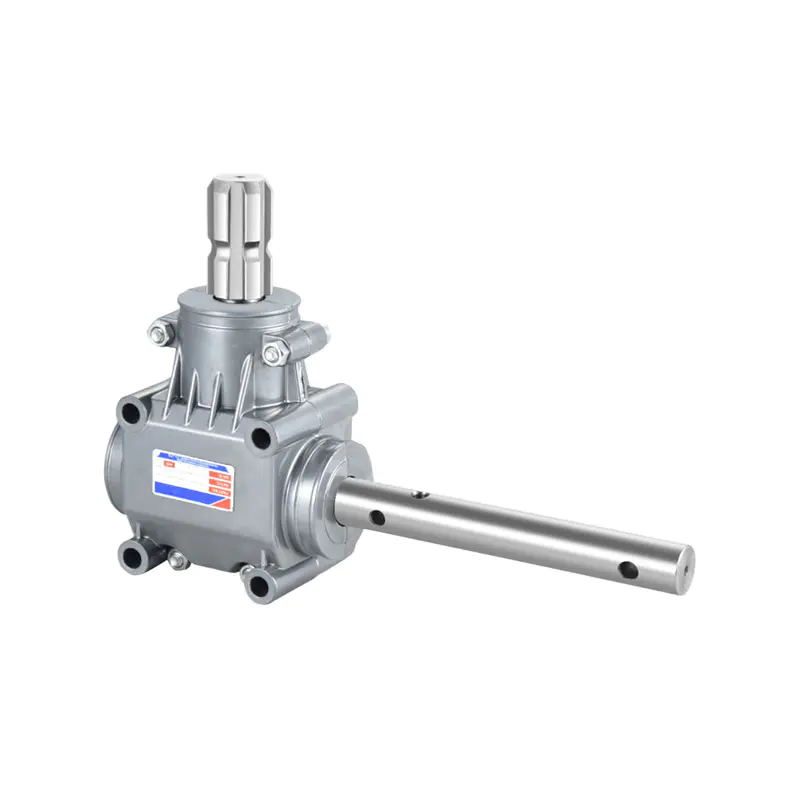
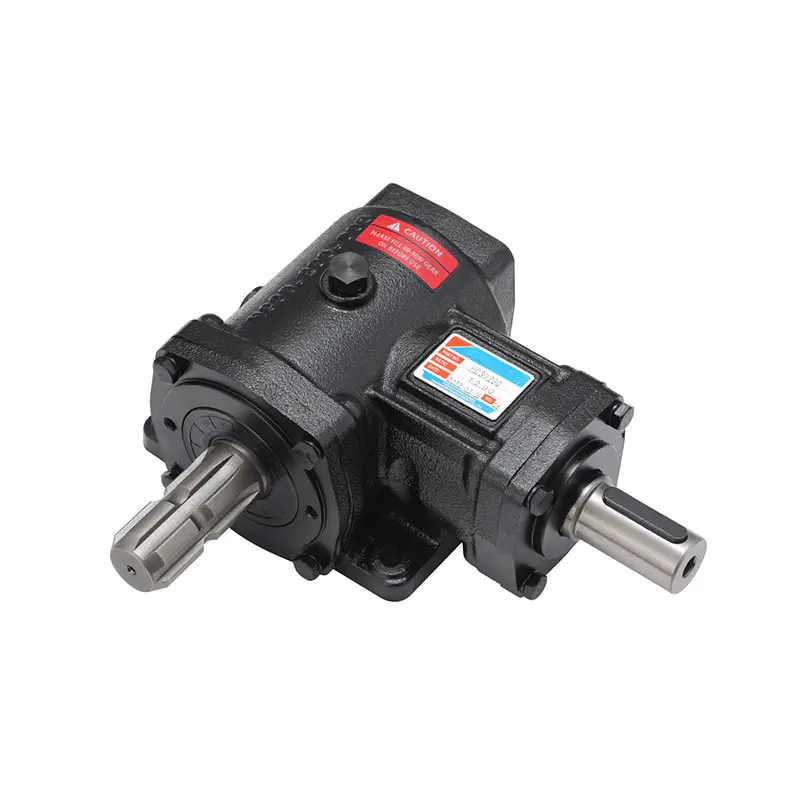
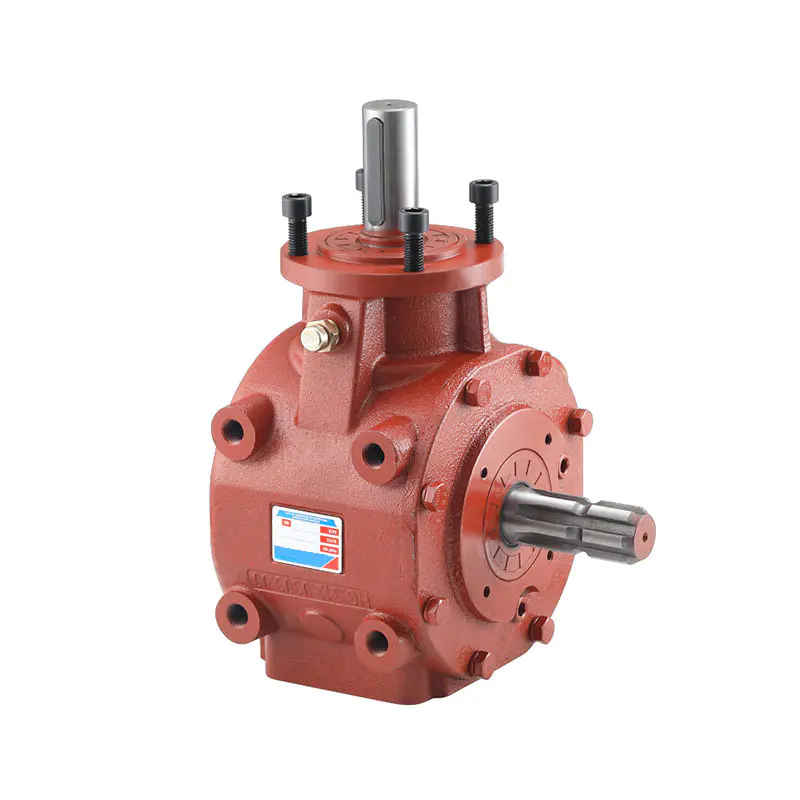
Raydafon Technology Group Co.,Limited does not simply resell generic locking hardware; we engineer locking modules and gear-driven mechanisms that sit at the heart of many OEM access control devices. Our focus on precision manufacturing means that every keyless actuator, whether used in a locker, server cabinet, or industrial enclosure, delivers consistent torque and wear resistance over hundreds of thousands of cycles. By integrating our gearboxes with smart controllers, our clients can rapidly deploy a locking solution that combines physical toughness with digital oversight. Additionally, our partnership model allows us to collaborate with system integrators to incorporate proprietary encryption protocols, giving end-users assurance that “Are keyless locking devices more secure than traditional locks?” is a question they can answer with confidence in their own installations.
7. Making the Right Choice for Your Facility
Choosing between keyless and traditional locks should start with a thorough risk analysis. If your facility holds high-value assets, handles regulated materials, or experiences frequent user turnover, the traceability and rapid credential management of keyless locks are clear advantages. For remote or low-traffic areas where power and network connectivity are unavailable, a hybrid approach—using high-security mechanical locks supplemented by portable audit tools—may suffice. Always verify the underlying components: a cheap actuator or plastic gear can fail under continuous use, creating a safety hazard. Raydafon Technology Group Co.,Limited provides the core motion hardware that many premium lock brands rely on, ensuring that whatever front-end interface you choose, the locking mechanism itself is built to last. Request a sample from our team to experience the difference firsthand.
8. Conclusion and Next Steps
We invite you to take the next step toward smarter facility protection. Whether you are an equipment manufacturer, a system integrator, or a security director, Raydafon Technology Group Co.,Limited is your strategic partner for high-performance locking components. Visit our website at https://www.raydafon-gearbox.com to explore our product range, or contact our engineering support team directly at [email protected] for a consultation tailored to your project. Let us help you build a locking infrastructure that leaves the old “keys vs. keyless” debate behind and moves your security into the future.
Raydafon Technology Group Co.,Limited is a trusted supplier of precision gearboxes and locking actuator modules for the global security and access control industry. With manufacturing excellence and a commitment to R&D, we empower OEM partners to deliver reliable keyless locking solutions that answer the critical question “Are keyless locking devices more secure than traditional locks?” with real-world performance. Explore our capabilities at https://www.raydafon-gearbox.com and reach our sales team at [email protected] to discuss your next innovation.
Smith, J. (2022). "Comparative Analysis of Mechanical and Electronic Locking Systems in High-Security Environments." Journal of Physical Security, 15(3).
Brown, L. & Green, R. (2021). "Vulnerability Assessment of Bluetooth Low Energy Smart Locks." IEEE Transactions on Information Forensics and Security, 16.
Chen, W. et al. (2020). "Electromagnetic Side-Channel Attack on Keyless Entry Systems." Proceedings of the ACM on Interactive, Mobile, Wearable and Ubiquitous Technologies, 4(2).
Davis, A. (2019). "Human Factors in Access Control: Why Lost Keys Remain a Leading Threat." Security Management Today, 33(4).
Miller, T. (2023). "Cryptographic Protocols for Industrial IoT Locking Devices." International Journal of Embedded Systems and Applications, 13(1).
Taylor, K. & Lee, S. (2022). "Mechanical Key Duplication Control and Its Limits." Journal of Forensic Security Engineering, 28(2).
Wilson, P. (2021). "Audit Trail Integrity in Digital Access Control Systems." Computers & Security, 101.
Anderson, R. (2020). "Lock Bumping: A Persistent Physical Attack Vector." International Journal of Security and Its Applications, 14(3).
Garcia, M. & Thompson, D. (2023). "Energy Harvesting for Battery-free Electronic Locks." Sensors and Actuators A: Physical, 349.
Zhang, H. (2022). "Fail-Safe vs. Fail-Secure: Risk-Benefit Analysis for Industrial Facilities." Fire Safety Journal, 128.
We use cookies to offer you a better browsing experience, analyze site traffic and personalize content. By using this site, you agree to our use of cookies. Privacy Policy