Luotuo Industrial Area, Zhenhai District, Ningbo City, China 86-574-87167707 [email protected]
Follow Us -
Products

High-Performance Gear Systems | Custom Solutions for Heavy-Duty Applications

Browse our precision-engineered gearboxes, hydraulic spindles, and cast housings – designed for extreme durability, 30% longer lifespan, and seamless OEM integration.
Products
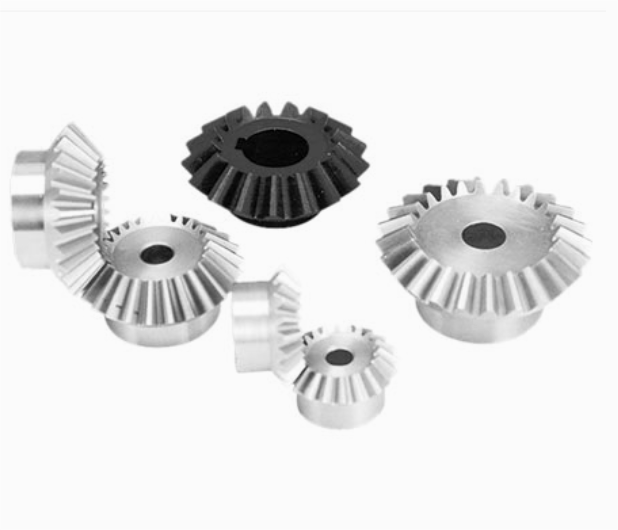
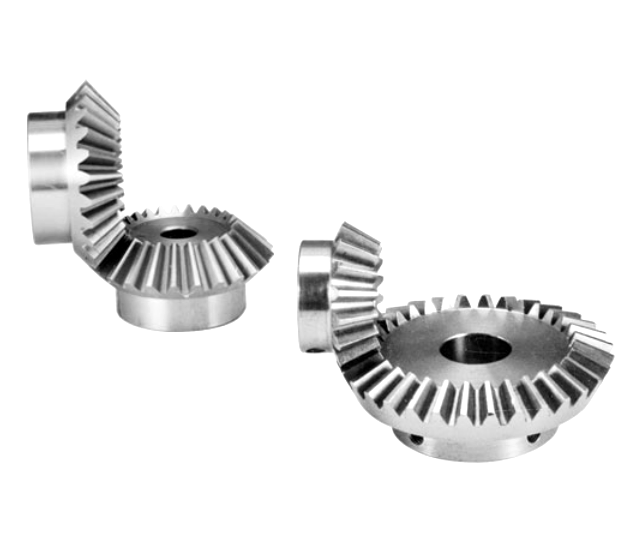
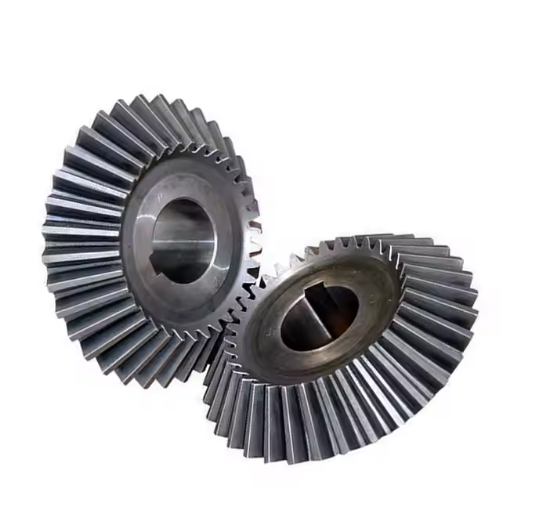
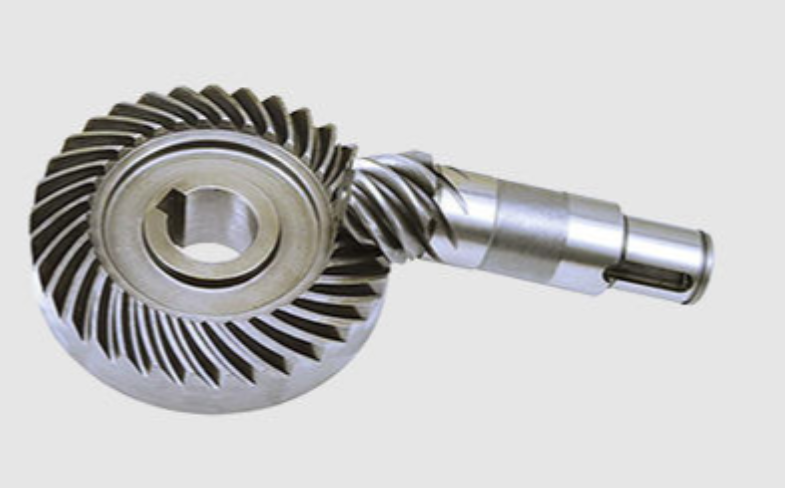
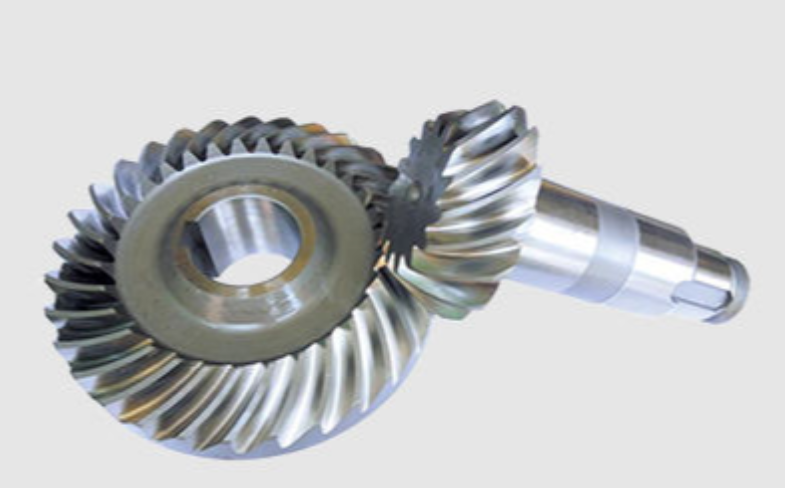
Spiral Bevel Gear
  • Spiral Bevel GearSpiral Bevel Gear
  • Spiral Bevel GearSpiral Bevel Gear
  • Spiral Bevel GearSpiral Bevel Gear
  • Spiral Bevel GearSpiral Bevel Gear

Spiral Bevel Gear

Raydafon manufactures custom spiral bevel gears at our Ningbo plant from 20CrMnTi carburized alloy steel at AGMA 9 accuracy, with spiral angle 25°–40° and shaft angle typically 90°. Gears are produced from your drawing or reverse-engineered from a physical sample. European export history since 2005, ISO 9001:2015 certified factory, first-article inspection report before batch release. Prototype orders from 10 pieces; production from 100 pieces; lead time 20–30 working days after drawing confirmation.

Spiral Bevel Gear Manufacturer — Custom AGMA 9 Carburized Bevel Gear for Gearboxes and Differentials

Raydafon manufactures spiral bevel gears at our Ningbo plant for gearbox builders, agricultural driveline OEMs and industrial machinery integrators. Gears are produced from your drawing or from a physical sample, in 20CrMnTi carburized alloy steel, at AGMA 9 accuracy, with spiral angle 25°–40° and shaft angle typically 90°. Our bevel gear program has shipped to European customers since 2005 and is the direct manufacturing source, not a trading resale.

20CrMnTiAlloy Steel
AGMA 9Accuracy Grade
25–40°Spiral Angle
90°Shaft Angle
2:1Example Ratio
500 N·mExample Torque

Spiral Bevel Gear Parameter Table — Full Specification Set for Drawing Review

The table below lists every parameter we need in order to quote, tool and inspect a spiral bevel gear. Treat the example values as a typical 20-tooth pinion at module 5 with a 2:1 ratio; your own drawing values replace them on the PO. Where a value is not fixed on your drawing, the engineering notes underneath explain the standard default.

Parameter Symbol Unit Example What It Controls
Module m mm 5 Basic size parameter of the gear; drives pitch diameter and tooth size.
Number of Teeth z — 20 Tooth count on the gear; determines ratio together with the mating gear.
Pressure Angle α ° 20 Angle between tooth face and tangent; affects load capacity and noise.
Spiral Angle β ° 35 Angle of the spiral teeth; typically 25°–40° for smooth, quiet running.
Face Width b mm 30 Width of the tooth along the cone; controls contact area and bending strength.
Pitch Diameter d mm 100 Diameter of the pitch circle; the reference for centre distance and ratio.
Addendum ha mm 5 Distance from pitch circle to tooth tip.
Dedendum hf mm 6 Distance from pitch circle to tooth root.
Whole Depth h mm 11 Sum of addendum and dedendum; sets the tooth envelope.
Clearance c mm 1 Gap between tooth root and mating gear tip.
Outer Diameter da mm 110 Diameter of the tip circle; sets housing clearance.
Root Diameter df mm 88 Diameter of the root circle.
Shaft Angle Σ ° 90 Angle between the two gear shafts; commonly 90°, adjustable on request.
Gear Material — — 20CrMnTi Standard carburizing alloy steel; other grades on request.
Heat Treatment — — Carburizing Case-hardening method used to raise surface hardness and wear resistance.
Accuracy Grade — — AGMA 9 Manufacturing precision grade to AGMA; other grades quoted on request.
Gear Ratio i — 2:1 Ratio of driving to driven gear speed.
Torque T N·m 500 Torque transmitted by the gear; used to size the tooth and material.
Rotational Speed n rpm 1500 Operating speed; sets the dynamic factor and lubrication requirement.
Spiral Angle β25° – 40°Below 25° the tooth contact becomes narrow and noisy; above 40° the axial thrust grows quickly and starts loading the bearings.
Shaft Angle Σ90° standard90° is the default for right-angle gearboxes and differentials. Non-90° shaft angles are producible but require a matched gear pair in the same order.
Gear Material20CrMnTiCarburizing alloy steel with good core toughness and a hard case. Alternative grades are available for higher torque or corrosion exposure.
Accuracy GradeAGMA 9AGMA 9 covers most industrial gearbox and agricultural driveline service. Higher AGMA grades are quoted on request after reviewing the application.
Note on example values: the figures above describe one representative gear. Raydafon does not sell this exact gear as a stock part — every spiral bevel gear is produced against a customer drawing or physical sample. Use this table as the specification checklist, not as a catalogue item.

How a Custom Spiral Bevel Gear Order Runs at Raydafon

Most of our spiral bevel gear volume is custom, so the process matters as much as the specification. The four steps below are what happens between your inquiry and the shipped gear.

1 Drawing or Sample

Send a 2D drawing, a 3D model, or a worn gear as a sample. If you have no drawing, we reverse-engineer from the sample and confirm the parameters back to you before cutting.

2 Engineering Confirmation

Our engineers check module, tooth count, spiral angle, shaft angle, material and AGMA grade against the application torque and speed. Any conflict is raised before tooling.

3 Cutting and Heat Treatment

Gear cutting on the production line, then carburizing to the agreed case depth and hardness. First-article inspection report is issued before batch release.

4 Inspection and Shipment

Tooth contact pattern, backlash, and dimensional check against the drawing. Dimensional report and material certificate ship with the batch on request.

Spiral Bevel vs Straight Bevel vs Miter Gear — Which One Your Application Needs

The spiral bevel gear is the right answer when the drive needs a right-angle change and the noise, load or speed rules out a straight bevel. The comparison below is the decision we walk through with buyers who are not yet sure which type to specify.

Spiral Bevel Gear — this product

  • Curved teeth, gradual contact from one end to the other
  • Quieter and smoother than a straight bevel at the same speed
  • Carries more load per tooth width
  • Produces axial thrust — bearings must be sized for it
  • Best for gearboxes, differentials, right-angle reducers

Straight Bevel Gear

  • Straight teeth, full-face contact at once
  • Louder and rougher at higher speeds
  • Lower cost for slow, lightly loaded right-angle drives
  • Minimal axial thrust
  • Common in low-speed hand tools and light machinery

Miter Gear

  • Equal tooth count on both gears — a 1:1 right-angle drive
  • Only correct when the ratio is exactly 1:1
  • Cannot be used where speed must change
  • Often supplied as a matched pair, stock bore
  • See our Stock Bore Steel Miter Gears-A Series
Selection shortcut: if the ratio is not 1:1, it is not a miter gear. If the speed is high or the load is heavy, do not use a straight bevel. If the drive turns a corner and must stay quiet under load, specify spiral bevel and size the bearings for axial thrust.

Where the Spiral Bevel Gear Is Used

Gearboxes and ReducersRight-angle input or output stages where noise and load capacity both matter.
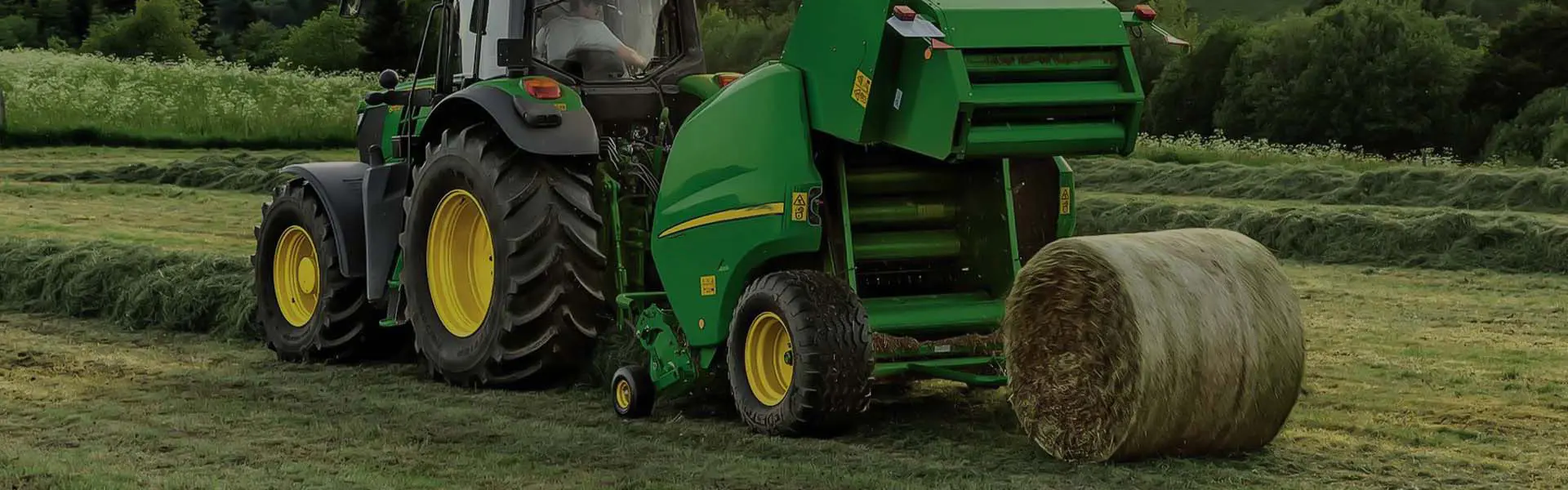
Agricultural DrivelinesRotary cutter, flail mower and post-hole digger gearboxes working under shock loads.
DifferentialsRight-angle transfer with a non-1:1 ratio, common in machinery and vehicle drives.
Industrial MachineryConveyor drives, mixers and pump drives where the motor must sit at 90° to the load shaft.
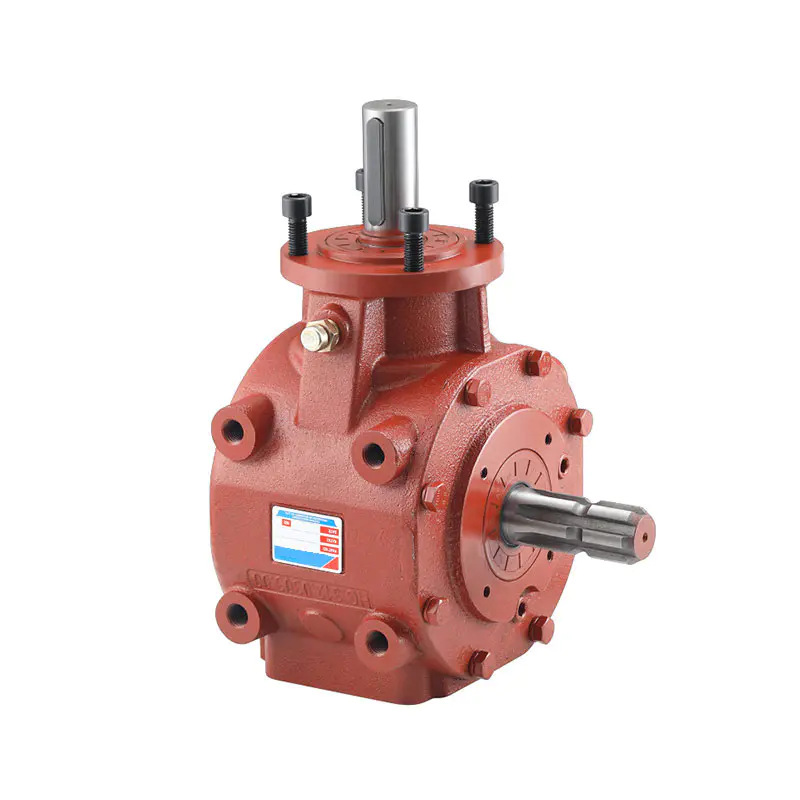
Hydraulic Drive UnitsRight-angle hydraulic spindle and motor gearboxes for compact layouts.
Replacement GearsWorn or broken gear reverse-engineered from a physical sample when no drawing exists.

If your drive also needs a parallel-shaft stage, our Helical Gear and Spur Gears lines are produced under the same inspection flow. Complete right-angle gearbox assemblies are under Gearbox.

Material, Heat Treatment and Accuracy — What the Defaults Actually Mean

20CrMnTi carburized steel

  • Low-carbon alloy steel with good core toughness under shock load
  • Carburized to build a hard, wear-resistant case over a softer core
  • Well suited to agricultural drivelines where impact occurs
  • Case depth and surface hardness are confirmed on the drawing, not assumed

AGMA 9 accuracy

  • AGMA 9 is the standard grade quoted for industrial gearbox service
  • Controls tooth-to-tooth spacing, profile and lead error
  • Higher grades are producible but require review of the application and tooling
  • Accuracy grade is stated on the inspection report, not just the drawing
Buyer note: the single most common mismatch on a spiral bevel gear PO is a drawing that specifies AGMA 9 but a torque and speed that call for a higher grade. Send the application duty — torque, rpm and service hours — together with the drawing so both are checked before the gear is cut.

Factory Evidence — Why Raydafon Is the Manufacturing Source

Export Record
Spiral bevel gears shipped to European customers since 2005 — a documented export history, not a first-year supplier.
Company
ISO 9001:2015 certified manufacturer, founded 2006, headquartered in Ningbo, Zhejiang, China.
Capacity
Two manufacturing hubs — Ningbo (Zhejiang) and Dongguan (Guangdong) — covering gears, gearboxes, chains and sprockets.
Custom Model
Drawing-based and sample-based production is the core business. No drawing? We reverse-engineer from the worn sample and confirm parameters back to you.
Quality
First-article inspection report before batch release; dimensional report and material certificate per shipment on request.
Response
English-speaking engineering response within one business day; feasibility and tolerance confirmed before tooling starts.

Frequently Asked Questions — Spiral Bevel Gear Procurement

Can you make a spiral bevel gear without a drawing?

Yes. Send the worn gear as a physical sample. Our engineers measure it, reconstruct the module, tooth count, spiral angle and shaft angle, and send those parameters back to you for confirmation before cutting. This is the normal route for replacement gears on older machinery.

What is the difference between AGMA 9 and higher accuracy grades?

AGMA 9 is the standard accuracy quoted for industrial gearbox and agricultural driveline service. Higher grades reduce tooth-to-tooth spacing and profile error, which matters at high speed or when noise is critical, but they also raise cost and lead time. Send the torque, speed and noise requirement and we will confirm whether AGMA 9 is sufficient.

Why is 20CrMnTi the default material?

20CrMnTi is a low-carbon alloy steel that carburizes well, giving a hard wear-resistant case over a tough core. That combination handles the shock loads typical of agricultural drivelines and gearbox service. Alternative materials are available where corrosion, higher torque or different hardness is required.

What is the typical spiral angle and shaft angle?

Spiral angle is normally between 25° and 40°; the example on this page uses 35°. Shaft angle is normally 90°, which is the right-angle case for gearboxes and differentials. Non-90° shaft angles are producible but must be ordered as a matched gear pair.

Do you supply the mating gear as a matched pair?

Yes. A spiral bevel gear is normally lapped and supplied with its mating pinion or wheel. Sending both gears in the inquiry avoids a mismatch in tooth contact pattern and backlash when the pair is assembled.

What is the MOQ and lead time?

Prototype and small-batch orders are accepted from 10 pieces. Production batches run from 100 pieces. Lead time is typically 20–30 working days after drawing confirmation, depending on module size and heat treatment. Sample-based reverse engineering adds 3–5 working days for measurement and parameter confirmation.

Send These Four Items for an Accurate Spiral Bevel Gear Quote

Include the drawing or a photo of the worn gear, the torque and rpm the drive carries, the required AGMA grade, and the order quantity. Our engineers reply within one business day with a feasibility confirmation, price and lead time.

Send Inquiry
Contact Info
X
We use cookies to offer you a better browsing experience, analyze site traffic and personalize content. By using this site, you agree to our use of cookies. Privacy Policy
RejectAccept